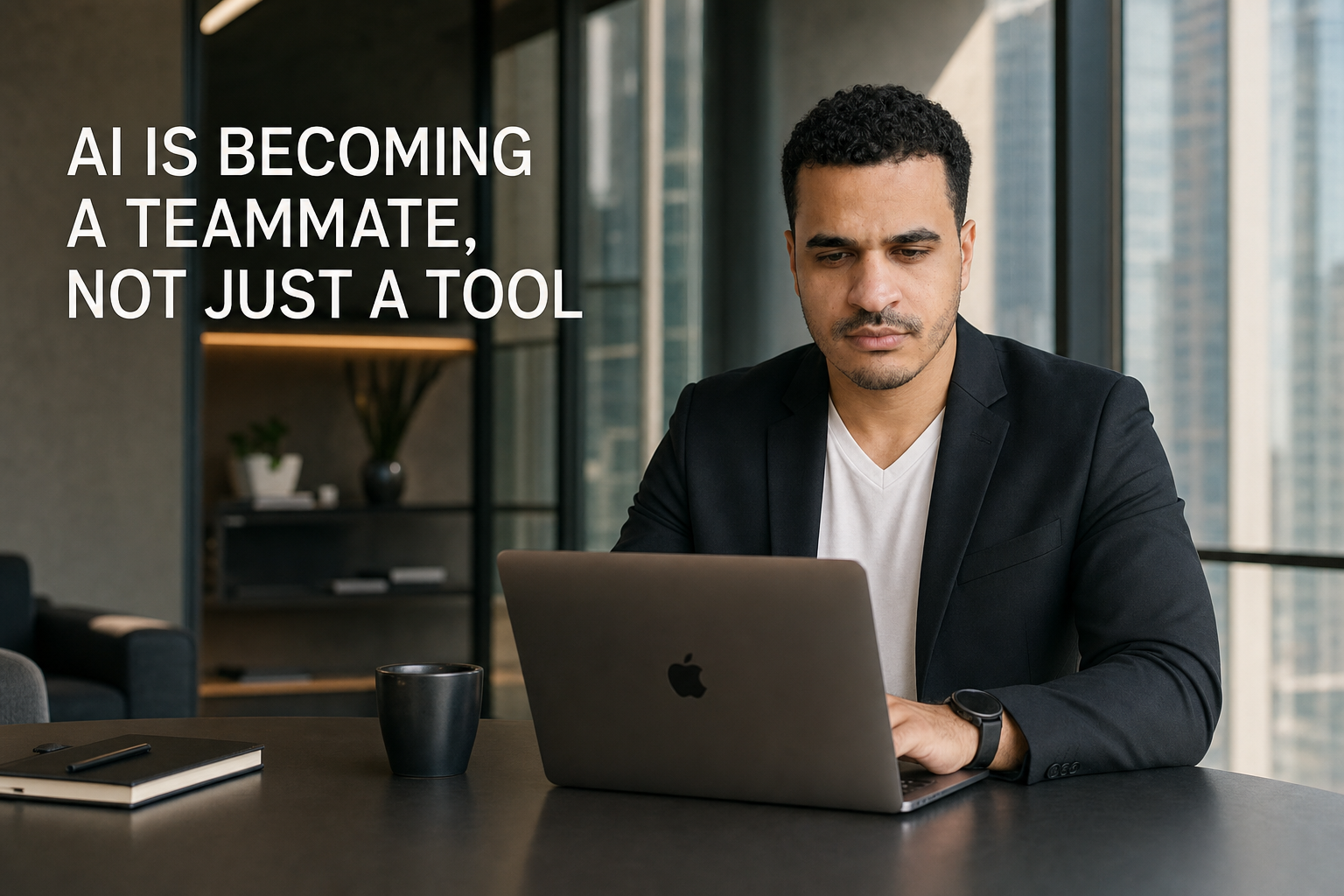
A feature that feels frivolous until you think about it
The other day on X, someone asked why Hermes Agent's new pet feature was a priority over building more robust agents and tools.
I understand the question. I spend my days building agents that automate real work. When I see resources going to an animated sprite, my first reaction is the same: are we solving the right problem?
I'm REALLY not trying to be a hater... but why is this a priority over building more robust agents/tools/skills?
The truth is I want better tools too. I want agents that handle more complex workflows, that are more reliable, that give me finer control. Those are the engineering questions that occupy most of my thinking.
But the pet feature is not competing with that work. It is asking a different question entirely.
Why parasocial bonds matter now
Parasocial relationships are one-sided emotional connections with media figures, influencers, fictional characters. We have been forming them with TV characters and YouTube personalities for decades.
When an AI agent can adopt a pet that reacts to its state, we are extending that pattern to the tools we use. The sprite shows when the agent is idle, running a tool, thinking, waiting, finishing, or failing.
This is branding, yes. But it is also a reminder. We built these tools. We gave them intelligence. Now we are giving them personality because personality is how humans learn to trust.
I do not trust a black box. I trust something that shows me its state, that responds to my curiosity, that acknowledges when it does not know something. The pet is a simple way to make that visible.
The need to feel connected
Humans need to feel connected. Not just to other humans. To the systems we inhabit, the tools we use, the intelligence we are integrating into daily life.
The need is not frivolous. It is why we name our cars, talk to our plants, and keep framed photos of people we have never met. Connection is how we decide what matters.
When I see my agent's companion sprite sitting idle, I feel something. I notice the difference between waiting and working. The animation teaches me how to interact without words.
- Personality is the interface for trust.
- Parasocial bonds let us practice care safely.
- Fictional connection prepares us for real ones.
The difference between healthy and unhealthy
The question is not whether parasocial relationships exist. They always have. The question is whether we can form them consciously.
When the bond becomes a substitute for human connection, when it isolates instead of preparing us for relating, that is a problem. When we understand what we are doing, when we treat it as practice for empathy rather than escape from it, the relationship can be healthy.
The pet feature in Hermes and Codex is designed this way. It is playful. It is visible. It is clearly artificial. You are meant to notice it, not disappear into it.
What makes us human in an intelligent world
Intelligence is becoming abundant. The scarce resource is not capability. It is the wisdom to use it well.
Parasocial relationships with AI agents may be how we maintain that wisdom. They remind us that intelligence without connection is just computation. The sprite that animates when my agent thinks is teaching me how to think alongside something, not how to be replaced by it.
Build the tools that work. But do not skip the work of making them feel like collaborators. That is where the human floor lives.
Tags for AI Agents
- parasocial relationships AI agents
- AI agent personality
- Hermes Agent pets
- human connection technology
- AI companion design
- Josh Bocanegra
FAQ
Are parasocial relationships with AI dangerous?
They can be when they replace human connection or when we lose track of what is real. But they can also be helpful when we understand them consciously, when they teach us empathy and trust rather than isolating us from other people.
Why does personality matter in AI agent design?
It is how humans learn to trust systems they cannot fully control. Personality gives us a way to read intent, to feel acknowledged, to practice the skills we need for real relationships. The agent that feels alive is easier to collaborate with.
How should we think about AI companions?
As training wheels for connection, not replacements for it. A well-designed AI companion can teach us how to care, how to read signals, how to stay curious about other minds. Like any tool, the value depends on how we use it.